A clogged kitchen sink can bring your household to a standstill. Dishes pile up, food preparation becomes impossible, and standing water creates an environment for bacteria and unpleasant odors. Kitchen sink clogs are among the most common plumbing complaints in Upland homes, typically caused by a combination of grease, food particles, soap residue, and mineral buildup inside drain pipes.
Before you reach for a bottle of chemical drain cleaner — which we strongly advise against — try these five proven methods to unclog your kitchen sink safely and effectively.
Method 1: The Boiling Water Flush
The simplest approach works surprisingly often, especially on grease-based clogs. Boil a full kettle or pot of water and pour it directly down the drain in two to three stages, waiting several seconds between each pour. The sustained heat melts and flushes accumulated grease that has solidified along the pipe walls. This method works best as a first response to slow-draining sinks before the clog has fully hardened. Important: only use boiling water on metal pipes. If your home has PVC drain pipes, use hot tap water instead to avoid softening the plastic joints.
Method 2: Baking Soda and Vinegar
This classic combination creates a fizzing chemical reaction that can break apart moderate clogs. Remove any standing water from the sink, then pour half a cup of baking soda directly into the drain opening. Follow it with half a cup of white vinegar and immediately cover the drain with a wet cloth or stopper to contain the reaction inside the pipe. Wait 30 minutes, then flush with hot water. For stubborn clogs, repeat the process or let the mixture sit for several hours. This method is safe for all pipe types and effective against organic buildup.
Method 3: Plunger Technique
A flat cup plunger can generate enough force to dislodge many kitchen sink clogs. If you have a double-basin sink, plug the opposite drain with a wet cloth to prevent pressure from escaping. Fill the clogged side with enough water to cover the plunger cup, then plunge with firm, consistent strokes for 30 to 60 seconds. The alternating pressure and suction often breaks the clog free. For garbage disposal sinks, make sure the disposal is turned off before plunging.
Method 4: Clean the P-Trap
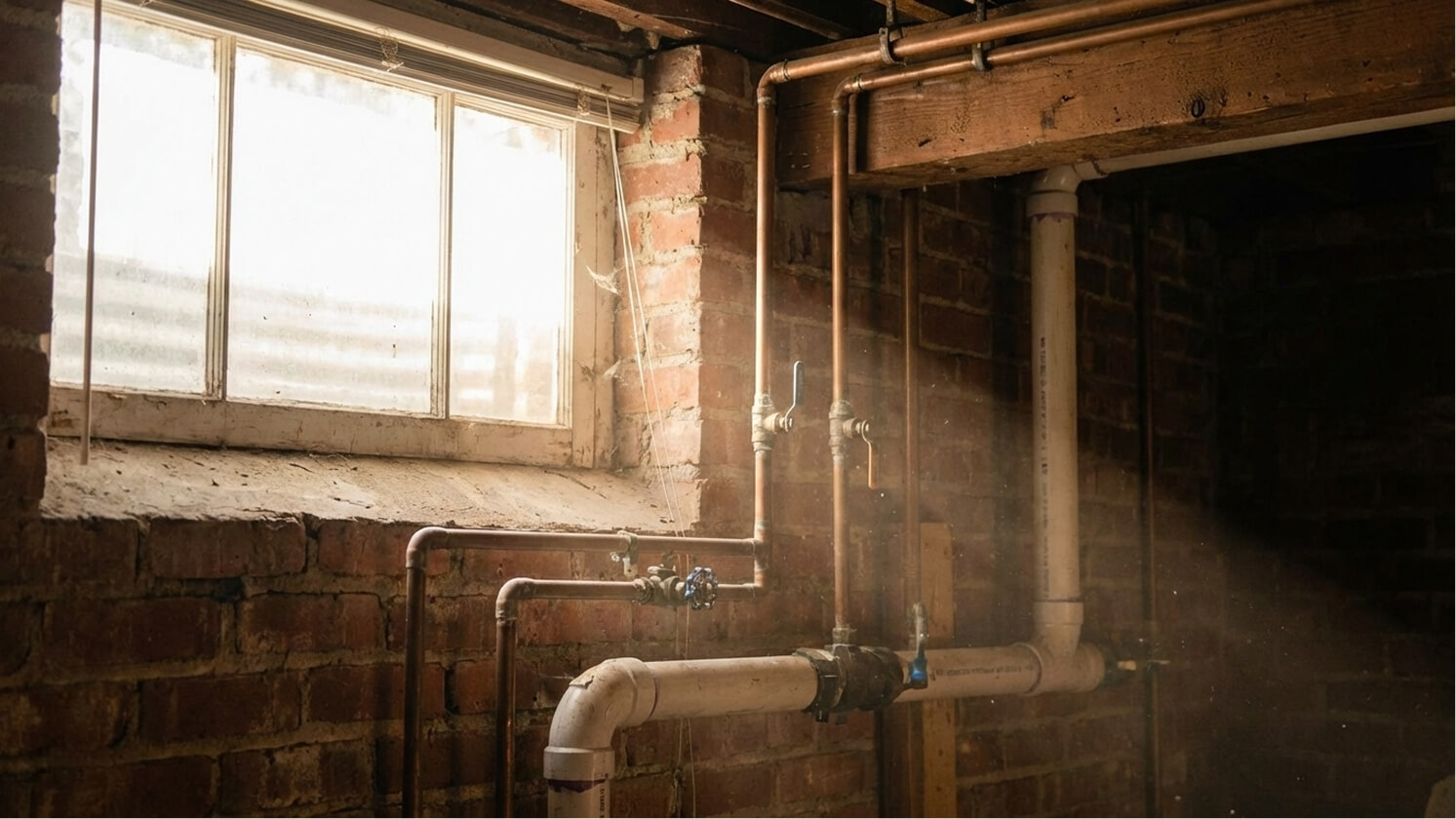
The P-trap is the curved section of pipe beneath your sink, and it’s designed to hold water as a barrier against sewer gases. Unfortunately, it also collects debris. Place a bucket beneath the P-trap, loosen the slip nuts at both ends using channel-lock pliers or by hand, and carefully remove the curved section. Clean out any trapped debris, rinse the P-trap with hot water, and reassemble. Check the horizontal pipe running into the wall as well — clogs frequently form at that connection point.
Method 5: Drain Snake or Auger
When surface-level methods fail, a manual drain snake (also called a plumber’s auger) can reach clogs deeper in the pipe. Feed the snake cable into the drain opening or into the wall pipe after removing the P-trap. Crank the handle clockwise as you push forward until you feel resistance, then continue cranking to break through or hook the obstruction. Slowly retract the cable, pulling the clog material out with it. Flush the drain thoroughly with hot water afterward.
Why You Should Never Use Chemical Drain Cleaners
Commercial chemical drain cleaners contain highly caustic substances like sodium hydroxide or sulfuric acid. While they may temporarily dissolve a portion of a clog, they also corrode your pipes from the inside out, damage garbage disposal components, kill beneficial bacteria in your septic system, and create dangerous fumes in enclosed spaces. Repeated use significantly shortens the lifespan of your plumbing system and often fails to address the actual cause of recurring clogs.
Preventing Future Kitchen Sink Clogs
The best clog is the one that never happens. Avoid pouring cooking grease or oil down the drain — instead, collect it in a container and dispose of it in the trash. Use a mesh drain strainer to catch food particles before they enter the pipe. Run hot water for 30 seconds after each use to flush residual grease. If you have a garbage disposal, run cold water while operating it and avoid fibrous foods like celery, artichoke leaves, and corn husks that wrap around the blades.
If your kitchen sink remains clogged after trying these methods, or if clogs keep returning despite your best prevention efforts, the problem likely exists deeper in your drain system. Contact Upland Plumbing at 909-836-2665 for professional drain cleaning using hydro-jetting and video inspection technology. We identify and eliminate the root cause so your kitchen sink drains freely for years to come. Book online at uplandplumbing.biz.
Hi, this is a comment.
To get started with moderating, editing, and deleting comments, please visit the Comments screen in the dashboard.
Commenter avatars come from Gravatar.